
Carson’s Scientific and Literary Method
Silent SpringThis flow traces how Carson joins scientific evidence, field testimony, and lyrical description to make ecological risk understandable.
increasing Bearing strength in each event
 decreasing
Bearing strength in each eventdecreasingA Marine Scientist’s Foundation
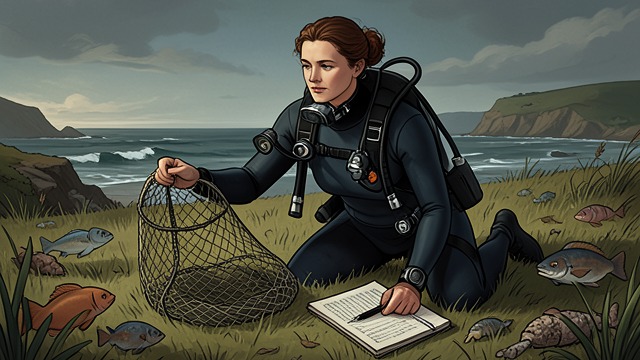
A Scientist Who Writes
Professional Experience
Rachel Carson spent much of her professional life as a marine biologist and writer with the U.S. Fish and Wildlife Service. Her earlier books established her reputation with a broad readership.
A Distinctive Strength
She brought scientific training together with literary sensitivity. That combination would let her explain biological processes without reducing the living world to abstract measurements.
The Subject Changes
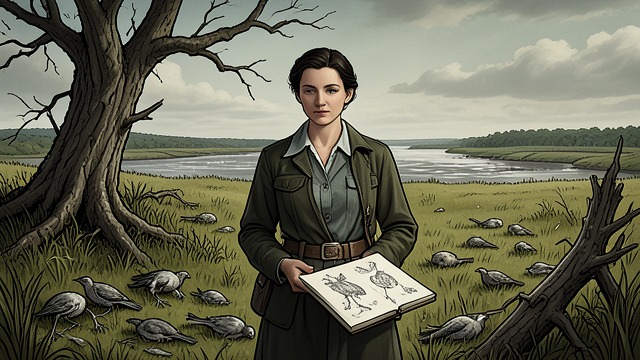
From Wonder to Alarm
A New Focus
Carson had hoped to pursue other writing projects, but reports of wildlife destruction made pesticide use impossible to ignore. Olga Owens Huckins’s account gave fresh urgency to a long-standing concern.
A Difficult Obligation
The subject lacked the pleasures of her earlier marine writing and demanded extensive scientific research. Carson nevertheless felt that silence would leave a public danger unaddressed.
Specialists Review the Evidence
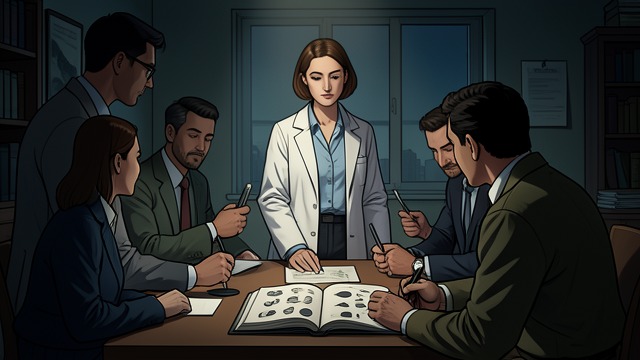
A Collaborative Investigation
Expert Consultation
Carson sought comments from specialists in medicine, wildlife, agriculture, and other fields. Their knowledge helped her assemble a book built from diverse findings rather than a single anecdote.
Responsibility Retained
She acknowledged that final responsibility for accuracy remained hers. The process reflects both scientific caution and the difficulty of synthesizing evidence across disciplines.
A Scientist Writes for the Public
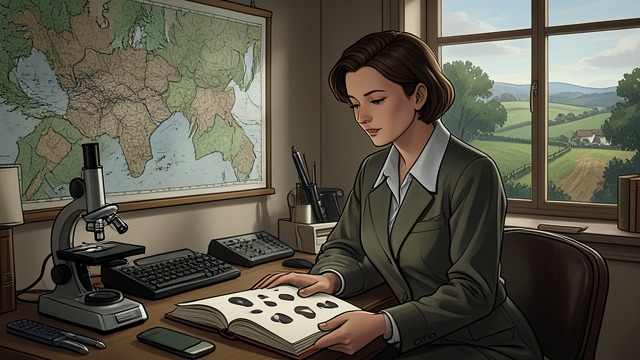
Complex Evidence Made Readable
Many Scales
The book moves from molecules and cellular energy to forests, rivers, farms, and communities. This structure helps readers see how local applications can produce distant and delayed effects.
A Wider Responsibility
Carson’s writing translates specialized findings into questions citizens can judge. She insists that the public should not have to accept calculated risks without access to the facts behind them.
The Sense of Wonder Endures
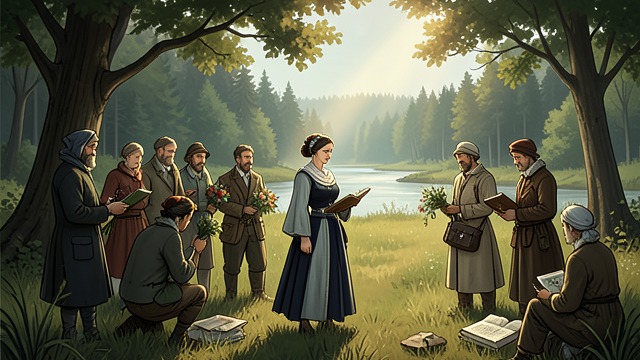
A Book About Life
Beyond Death and Damage
Although Silent Spring describes poisoning and loss, its deepest concern is the beauty of the living world. Carson’s anger at destruction is joined to affection for the life she seeks to defend.
Courage as a Form of Change
The foreword presents the book as evidence that individual initiative can alter public thinking. Carson’s scientific and literary work becomes an act of responsibility toward a world shared with other creatures.
Before she began Silent Spring
After Olga Owens Huckins’s 1958 letter
During manuscript preparation
During the four-year writing process
As the book reaches its final argument
